Core Product competencies
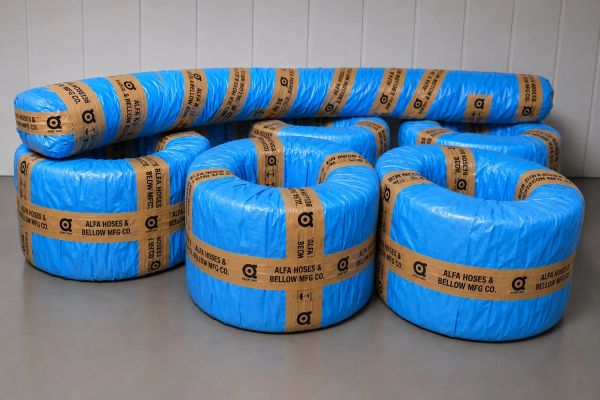
Expansion Joints Metalic Bellows
All you need to know about Metallic Expansion Bellows
Metallic Expansion joints manage thermal expansion, vibrations, and misalignment in the piping system. These bellows play an important role in ensuring the integrity and efficiency of systems across multiple industries like power generation, chemical processing, and HVAC systems. In this blog, we will see and learn details about metallic expansion bellows.
What are Metallic Expansion Bellows?
These expansion bellows are made from flexible components of metals and are also known as expansion joints. These bellows are made to absorb and compensate for the changes in the piping system due to mechanical movement, thermal expansion, and contraction. These bellows are made by using a number of convolutions that can flex under pressure allowing them to accommodate axial, lateral, and angular movements.
Functions of Metallic Expansion Bellows
- Thermal expansion compensation
- Vibration isolation
- Misalignment correction
- Pressure punctuation management
Materials used in Metallic Expansion bellows
Common materials include
- Stainless steel: Stainless steel is a strong material and many industries choose this metal.
- Inconel: For extreme environments, nickel-chromium alloy offers high-temperature resistance.
- Monel: This alloy is used especially in marine and chemical environments.
- Hastelloy: This is used for highly corrosive environments.
Applications of Metallic Expansion Bellows
- Power Generation
- Chemical Processing
- HVAC Systems
- Oil and Gas
- Marine Industry
Conclusions
These bellows enhance the safety, efficiency, and longevity of piping systems in industries. Choosing the right quality of Metallic expansion bellows is important for your industries.

Stainless Steel Hoses/ Hose Assebmly
Stainless steel (SS) flexible hose assemblies are highly engineered components designed to outperform standard rubber or synthetic hoses in extreme operational environments. By combining a corrugated or braided stainless steel core with customized end fittings, these assemblies provide superior durability, safety, and performance.
Key Advantages Over Rubber Hoses
- Extreme Temperature Resistance: Operates reliably in temperatures ranging from cryogenic lows (-200°C) to extreme heat (+600°C and above).
- High Pressure Capability: External stainless-steel braiding prevents hose elongation and significantly increases working pressure limits.
- Chemical Compatibility: Resists corrosion from aggressive chemicals, acids, steam, and abrasive fluids.
- Zero Permeation: Prevents gas or fluid leakage through the hose wall, unlike porous rubber materials.
- Longer Lifespan: Resists ozone degradation, UV exposure, and aging, reducing maintenance and replacement costs.
Critical Components
- Core Hose: Typically made of corrugated SS304, SS316L, or SS321 to provide flexibility and leak-tight containment.
- External Braid: Single or double layers of woven stainless-steel wire that absorb tensile forces and boost pressure ratings.
- End Fittings: Customized connectors (e.g., flanges, threaded NPT/BSP, camlocks, or unions) welded to the hose for secure system integration.
iPrimary Industrial Applications
- Automotive Systems: Utilised in exhaust connectors to absorb engine vibrations and thermal expansion.
- Piping Infrastructure: Serves as expansion joints to compensate for thermal movement, misalignment, and seismic shifts.
- Manufacturing & Process Industries: Ideal for high-pressure steam lines, chemical processing, and oil refining.
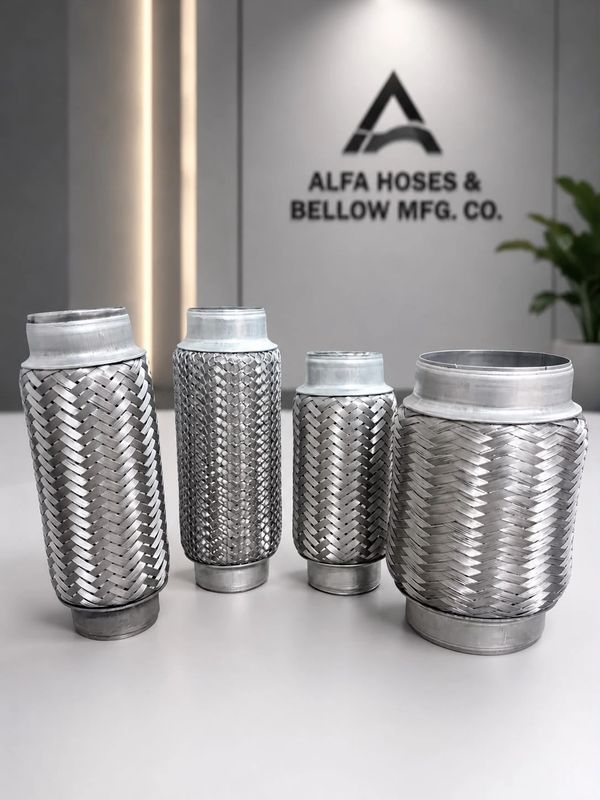
Automotive Exhaust Connectors
Designed with stainless steel 304/202 finishes, featuring internal braid support to minimize engine noise, curb vibration, and manage thermal expansion
- Stainless Steel 304: Offers superior corrosion resistance. Ideal for high-heat environments and long-lasting durability.
- Stainless Steel 202: A more budget-friendly alternative. It replaces some nickel with manganese, offering decent strength but lower corrosion resistance than 304.
- Internal Braid Support: Smooths out exhaust gas flow. It prevents the whistling noise common in cheaper corrugated pipes and protects the inner bellows from extreme heat.
- Vibration & Noise Reduction: Absorbs the rock and shake of the engine. This prevents these movements from cracking the rigid components of the exhaust line.
- Thermal Expansion Management: Exhaust gases can exceed 700°C. The connector expands and contracts safely without buckling or leaking
EXHAUSE GAS RECIRCULATOR
Exhaust Gas Recirculation (EGR) reduces automotive nitrogen oxide (NOx) emissions by lowering peak combustion temperatures inside the engine cylinders
- Gas Collection: Collects exhaust directly at the cylinder head outlet.
- Cooling & Regulation: Passes gases through an EGR cooler and control valve.
- Re-injection: Mixes the inert exhaust gas back into the fresh engine air intake.
- Combustion Modification: Lowers peak combustion temperatures to prevent NOx formation.
- Structural Integrity: Utilizes expansion joints and stainless-steel hoses to withstand thermal stress
We have all types of EGR Available

UNIVERSAL HOSE ASSEMBLY
A hose assembly consists of the hose and the end fittings, which are determined by the specific application for the hose assembly. These kind of hoses are fitted with pipe end , bends , etc . As per the customer requirment we customized and assembl accordingly
RUBBER HOSE /HYDRAULIC HOSE
What is a Rubber Hose?
A rubber hose is a flexible tube made from natural or synthetic rubber compounds. It is designed to transport fluids (liquids or gases) from one location to another at relatively low to medium pressures.
- Material: Made of flexible rubber (like EPDM, Nitrile, or Neoprene), often reinforced with textile yarn or fabric.
- Pressure: Designed for low to moderate pressure applications.
- Common Uses: Moving water, coolant, air, and mild chemicals.
- Examples: Garden hoses, automotive radiator hoses, and air compressor lines.
What is a Hydraulic Hose?
A hydraulic hose is a highly specialized, high-pressure flexible tube designed specifically to transmit fluid power within hydraulic systems. It conveys hydraulic oils and fluids under extreme pressure to drive machinery.
- Material: Features a multi-layered construction, including a synthetic rubber inner tube, high-tensile steel wire reinforcement (braided or spiral), and a tough outer protective cover.
- Pressure: Engineered to withstand extremely high pressures, often ranging from 1,000 to over 10,000 PSI.
- Common Uses: Transmitting power to pistons, motors, and valves in heavy machinery.
- Examples: Construction excavator arm lines, forklift lift cylinders, and aerospace flight control systems.
Key Differences at a Glance
- Pressure Capacity: Hydraulic hoses handle extreme high pressure; rubber hoses handle low to medium pressure.
- Reinforcement: Hydraulic hoses use high-strength steel wire; standard rubber hoses use synthetic Fibers or no reinforcement.
- Fluid Type: Hydraulic hoses strictly transport hydraulic fluids and oils; rubber hoses transport air, water, and general chemicals
Key Sectors & Applications
- Industrial Equipment: Consumes nearly two-thirds of total rubber hose demand. This includes off-road, construction, and agricultural machinery utilizing fluid power, industrial, and vehicular hoses.
- Automotive Industry: Uses hoses for critical vehicle systems including engines, transmissions, steering, air conditioning, and braking systems, alongside automotive exhaust connectors.
- Aerospace & Transportation: Deployed across aerospace equipment and other durable goods transport sectors to ensure system performance.
- Specialised Components: Expansion joints and stainless-steel hoses are integrated into these applications to maximize durability and performance.

RUBBER BELLOW
Rubber expansion bellows absorb movement, reduce noise, and protect equipment in piping systems. They are made from flexible elastomeric compounds like EPDM, NBR, or Neoprene.
Key Functions
- Vibration Isolation: Dampens shocks and shakes caused by motors, pumps, and rotating parts.
- Thermal Compensation: Flexes to handle pipe length changes when temperatures go up or down.
- Misalignment Correction: Adjusts for slight offsets between connected pipe sections during setup.
- Noise Reduction: Softens fluid-borne sounds traveling through metallic circuits.
Common Material Types
- EPDM: Best for general outdoor use, water systems, and weathering resistance.
- NBR (Nitrile): Ideal for oil, fuel, and petroleum-based environments.
- Neoprene: Chosen for fire safety and moderate chemical exposure.
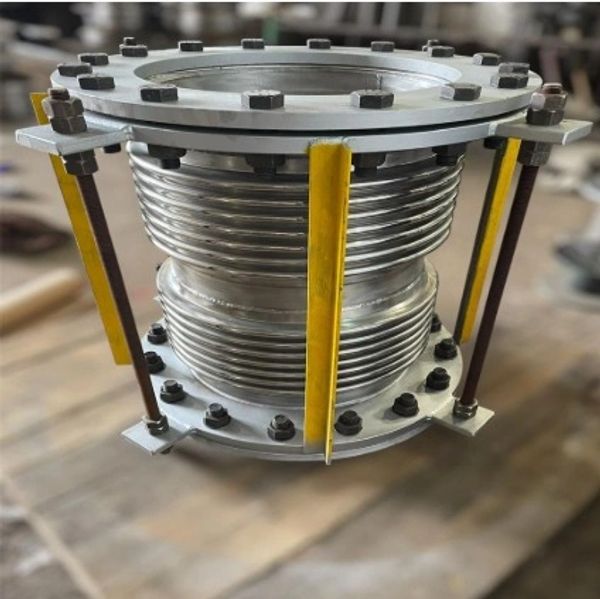
Universal Bellow's
Universal Expansion Joints, also known as Double Bellows Expansion Joints or Universal Bellows, consist of two bellows elements connected by a common spool piece. These expansion joints are typically utilized in applications requiring significant lateral movement that exceeds the limits of a single Axial Expansion Joint. They are especially important in scenarios where the automotive exhaust connectors must manage lateral forces within the constraints of the connecting pipe system, alongside stainless steel hoses.

Rectangular Stainless Steel (SS) Bellows
Rectangular Stainless Steel (SS) Bellows(also known as rectangular metal expansion joints) are highly flexible, custom-engineered components designed to absorb thermal expansion, mechanical vibrations, and misalignments in ducting systems and pipelines handling low-pressure air, gas, or exhaust.
Top Rectangular SS Bellows & Components
If you are looking to purchase or source standard industrial models, the following products are available through industrial supply platforms:
Ss Rectangular Bellow: Designed primarily for heavy-duty industrial ducting. Features a 1–3 mm wall thickness range, robust leak-proof construction, and high expansion capacity with optional welded or flanged end connections.
Rectangle Type Expansion Bellow - Colour Silver: Engineered for more demanding, high-temperature (up to 400°C) and pressure-sensitive systems like HVAC and engine exhausts. Includes factory leakage testing and customizable internal sleeve protection.
Rectangular Expansion Joint - Material Stainless Steel: Ideal for extreme high-temperature installations (up to 500°C) like power plants, steel mills, and refineries. Built with full-face flanges and specialized welding to guarantee low stress under severe system movements.
Unlike standard round bellows that experience uniform pressure hoop stress, rectangular bellows must withstand complex longitudinal beam bending stresses along their straight sides. Because of this, they are almost always custom-engineered.

Metallic double interlock flexible hose
Stainless steel interlock hoses are durable, helically coiled metallic strips designed with interlocked convolutions for medium pressure applications and high temperatures up to 800°C. Key product types offered include interlock exhaust hoses, interlock conveyor hoses, and interlock pressure hoses.
Product Range and Materials
- Hose Types: Interlock exhaust hoses, interlock conveyor hoses, and interlock pressure hoses.
- Materials: Stainless steel, aluminium, and copper-coated steel.
- Sizes: Available in various sizes and custom specifications.
Features and Applications
- Temperature Resistance: Withstands heat up to 800 degrees Celsius.
- Pressure Rating: Suited for medium pressure applications of 15 to 20 PSI.
- Leak Reduction: Uses packing materials like fabrics and elastomers for pressure tightness.
- Primary Uses: Automotive exhaust connectors and protective outer jackets for insulated pipelines.
Contact Us
Better yet, see us in person!
We welcome you to visit us during our regular business hours. Our experienced team is ready to assist you in selecting the ideal automotive exhaust connectors, expansion joints, and stainless-steel hoses to meet your specific project requirements. We are committed to providing quality products, expert guidance, and exceptional customer service.
Message us on WhatsApp
ALFA HOSES & BELLOWS MFG.CO
Mundka Industrial Area, Mundka, Delhi, India
alfabellows@gmail.com Mob No 82876-14499 Landline - 011-45679188
Working Hours
Today | By Appointment |
Looking foward to meet visit our Plant

